
ORS mixing & fluid goals (simple guide)
– Loose motions and vomiting can cause dehydration fast in children.
– ORS is the safest first step you can do at home.
– This page shows how to mix ORS correctly and how much to give.
– Small, frequent sips work better than large amounts at once.
– You will also see red flags for when to seek urgent care.
If your child is very sleepy, not responding, has breathing trouble, no urine, blood in stools, or cannot keep any fluids down, seek emergency care. Use the checklist here: Emergency checklist.
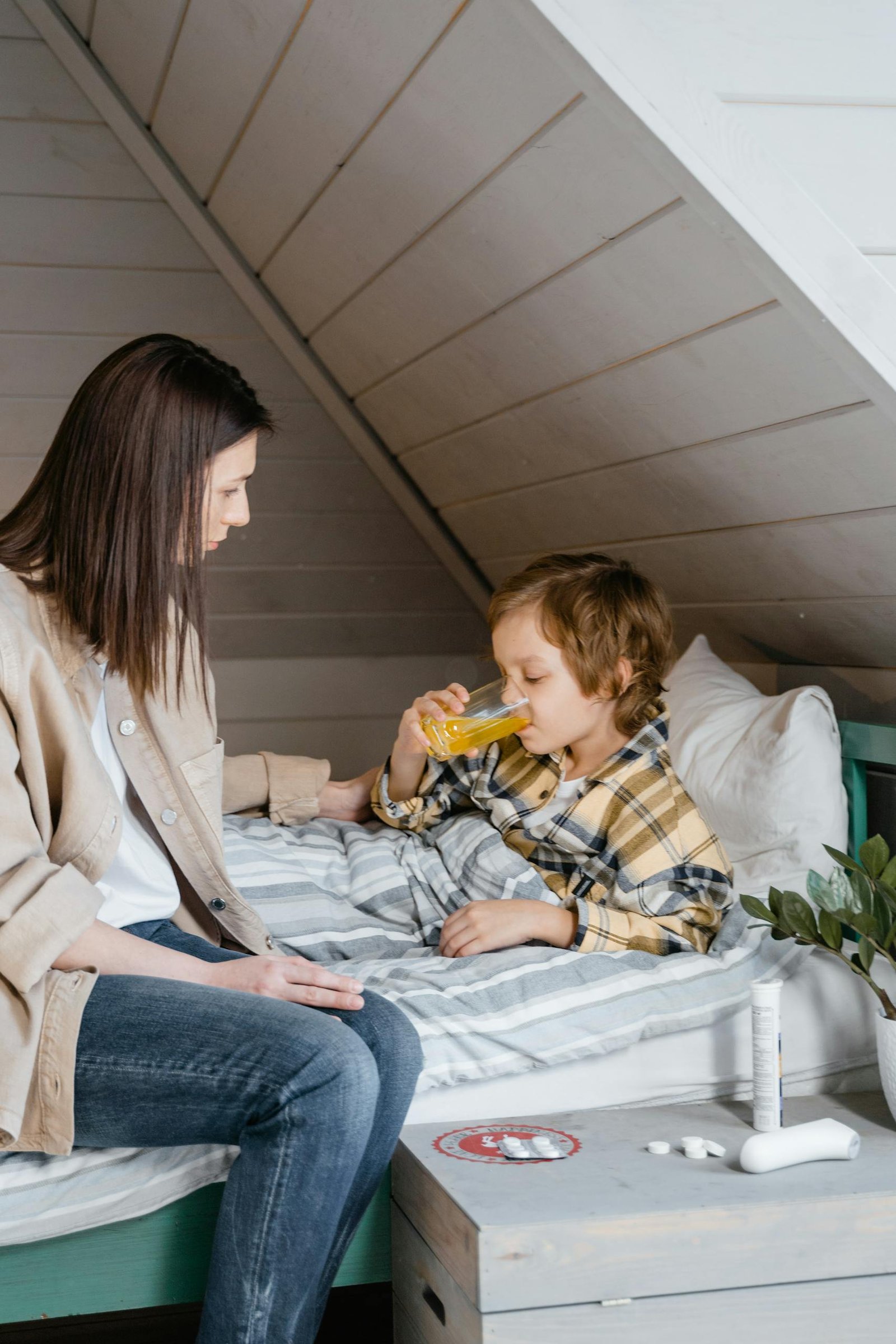
First steps for ORS at home
ORS is the safest first treatment at home for diarrhoea or vomiting. Use clean water, mix exactly as directed, and give small frequent sips.
- Wash your hands well with soap and water.
- Take 1 ORS sachet. Most sachets are for 1 litre; some are for 200 ml — read the label.
- Pour the entire sachet into the exact amount of clean, boiled & cooled (or safe) water. Mix until fully dissolved.
- Do not mix ORS with milk, soup, juices, or soft drinks.
- Use prepared ORS within 6 hours at room temperature, or within 24 hours if refrigerated. Discard leftovers after that.
Tip: If your child vomits, pause for 5–10 minutes, then restart with smaller sips.
Go to emergency/casualty immediately if your child has:
- Very sleepy, difficult to wake, or not responding.
- Sunken eyes, very dry mouth, or no tears while crying.
- Refuses to drink or vomits everything.
- No urine for 6–8 hours, or very dark urine.
- Blood in stools, repeated vomiting, severe tummy pain, or high fever.
- Breathing very fast, trouble breathing, looks very pale or blue.
- Any baby under 3 months with diarrhoea or vomiting.
How much ORS to give (quick goals)
Give ORS after each loose stool. These are simple targets—your pediatrician may adjust based on age, weight, and dehydration.
| Age group | How much after each loose stool | Simple daily goal (approx.) |
|---|---|---|
| Under 2 years | 50–100 ml (about ¼–½ cup) | Around 500 ml/day (varies with stools) |
| 2–10 years | 100–200 ml (about ½–1 cup) | Around 1000 ml/day (varies with stools) |
| Older children/teens | 200–400 ml (as tolerated) | Up to ~2000 ml/day (as tolerated) |
How to give ORS
- Give tiny sips every 1–2 minutes using a spoon, cup, or clean syringe/dropper.
- If vomiting occurs, pause for 5–10 minutes, then restart more slowly.
- Once vomiting reduces, offer soft foods like khichdi, curd, banana, dalia.
Food and breastfeeding
- Continue breastfeeding on demand; breast milk is the best fluid for babies.
- For older children, continue usual home food in small, frequent meals unless advised otherwise.
Frequently asked questions
Quick answers for common ORS concerns—taste, vomiting, preparation, and how to know your child is getting enough fluids.
What is ORS and why is it better than home remedies?
Can ORS be given for fever without diarrhoea?
My child is vomiting—should I still give ORS?
My child dislikes the taste of ORS. What can I do?
Can I prepare only half a sachet?
How do I know if my child is getting enough fluids?
How long should I continue ORS?
Are there any side effects of ORS?
This educational material is for general awareness only and does not replace a doctor’s advice. If you have any doubts, please contact your child’s doctor or visit the nearest hospital.